
by Monmouth Gastroenterology a Division of Allied Digestive Health
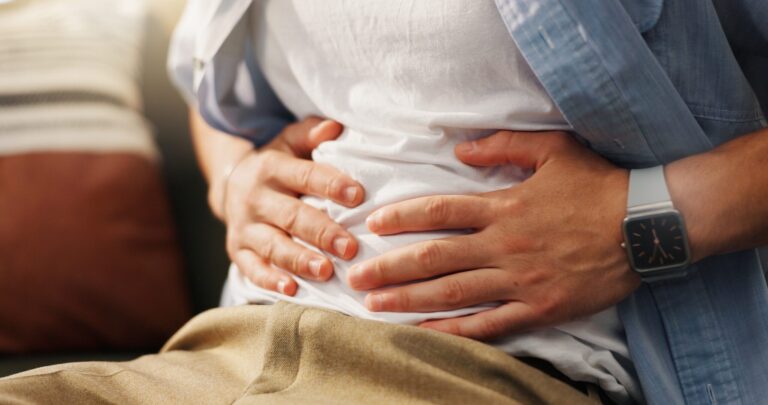
Bloating after meals is a common digestive complaint that can leave you feeling overly full, tight, swollen, or uncomfortable. While occasional bloating is normal, frequent bloating may be a sign that certain foods, eating habits, or digestive conditions are affecting your gastrointestinal system.
Understanding what causes bloating and making a few adjustments to your routine can often help reduce discomfort.
What Causes Bloating After Meals?
Bloating can happen when excess gas builds up in the digestive tract or when the digestive system is moving food more slowly than usual.
Some common causes include:
- Eating too quickly
- Eating large portions
- Drinking carbonated beverages
- Swallowing excess air while eating or drinking
- Eating foods that naturally produce more gas
- Constipation
- Food intolerances or sensitivities
- Certain digestive disorders
Foods such as beans, onions, broccoli, cabbage, dairy products, and some artificial sweeteners can contribute to bloating in certain individuals.
Slow Down While Eating
Eating too quickly may cause you to swallow more air, which can increase gas and bloating.
Try taking smaller bites and chewing your food thoroughly before swallowing. Giving yourself more time to eat may also help your body recognize when it is full, making it easier to avoid overeating.
Taking your time at meals can support digestion and may reduce the heavy or uncomfortable feeling that sometimes occurs afterward.
Watch Your Portion Sizes
Large meals can place more pressure on the digestive system and may make bloating worse.
Instead of eating one very large meal, some people may feel better eating smaller portions throughout the day.
Try paying attention to how you feel after different-sized meals. If bloating consistently happens after larger meals, reducing portion sizes may help.
Stay Hydrated
Drinking enough water is important for healthy digestion.
Proper hydration helps the digestive system move food and waste through the body. It may also help prevent constipation, which is a common cause of bloating.
Try drinking water throughout the day rather than consuming large amounts all at once.
Limit Carbonated Drinks
Soda, sparkling water, and other carbonated beverages contain gas that can enter the digestive system.
For people who are prone to bloating, reducing carbonated drinks may help relieve pressure and discomfort.
Replacing them with water or another non-carbonated beverage may be an easy change to try.
Pay Attention to Trigger Foods
Certain foods can cause more bloating than others, and triggers may vary from person to person.
Keeping track of what you eat and when bloating occurs may help identify patterns.
Some people notice symptoms after eating:
- Dairy products
- High-fat meals
- Beans and legumes
- Cruciferous vegetables
- Artificial sweeteners
- Certain high-fiber foods
You should not unnecessarily eliminate entire food groups without speaking with a healthcare professional, especially if symptoms are frequent.
Can Constipation Cause Bloating?
Yes. Constipation can lead to stool and gas building up in the digestive tract, creating pressure and discomfort.
Staying hydrated, eating an appropriate amount of fiber, and remaining physically active can help support regular bowel movements.
If constipation is persistent or severe, speak with a healthcare provider.
When Bloating May Be More Than Just Food
Frequent bloating is sometimes associated with gastrointestinal conditions such as:
- Irritable bowel syndrome
- Lactose intolerance
- Celiac disease
- Constipation
- Food sensitivities
- Other digestive disorders
If bloating is happening regularly, identifying the underlying cause is important.
A gastroenterologist can evaluate your symptoms and help determine whether testing or treatment may be needed.
When Should You See a Gastroenterologist?
Occasional bloating is common, but ongoing symptoms should not be ignored.
Consider speaking with a gastroenterologist if bloating is frequent, painful, or accompanied by symptoms such as:
- Significant abdominal pain
- Persistent constipation or diarrhea
- Changes in bowel habits
- Unexplained weight loss
- Vomiting
- Blood in the stool
- Loss of appetite
These symptoms do not always mean there is a serious problem, but they should be evaluated.
Take Control of Digestive Discomfort
Bloating can be frustrating, especially when it happens after nearly every meal. Simple changes such as eating more slowly, adjusting portion sizes, staying hydrated, and identifying trigger foods may help.
If symptoms continue, a gastroenterologist can help determine what is causing the bloating and recommend an appropriate treatment plan.
Please contact us for an appointment:
https://monmouthgastro.com/book-appointment/
Monmouth Gastroenterology Associates
A division of Allied Digestive Health
12 NJ-35 Suite 201, Oakhurst, NJ 07755
(732) 389-5004
