By: Dr Sezer Olcay
Breathing is something most people rarely think about, but the way you breathe can play an important role in your oral health and facial development. While occasional mouth breathing is normal, consistently breathing through the mouth instead of the nose may contribute to changes in dental alignment, jaw development, and overall oral health.
For both children and adults, understanding the potential effects of chronic mouth breathing can help identify concerns that may benefit from an orthodontic evaluation.
Why Does Mouth Breathing Happen?
Mouth breathing can develop for several reasons, including nasal congestion, allergies, enlarged tonsils or adenoids, and structural issues that make nasal breathing difficult.
Some individuals develop mouth breathing as a habit, even after the original cause has been addressed. Over time, this can influence resting tongue position, lip posture, and the way the teeth and jaws develop.
How Mouth Breathing Can Affect Your Teeth and Jaw
One important factor in oral development is the position of the tongue. When breathing through the nose, the tongue typically rests against the roof of the mouth. With chronic mouth breathing, the tongue may rest lower in the mouth.
This change in oral posture may influence how the upper jaw develops, particularly during childhood when facial bones are still growing.
Some potential effects associated with chronic mouth breathing include:
- Narrow Upper Jaw: Changes in tongue posture may be associated with reduced development of the upper dental arch.
- Crowded Teeth: Limited space in the dental arch can contribute to overlapping or crowded teeth.
- Bite Irregularities: Changes in jaw growth and dental positioning may contribute to certain bite problems, including crossbites and open bites.
- Dry Mouth: Breathing through the mouth can reduce moisture in the oral cavity, potentially increasing the risk of cavities, gum irritation, and bad breath.
Not everyone who breathes through their mouth will develop these issues, but recognizing the possible connections is important.
Does Mouth Breathing Affect Adults Differently?
Although facial development is particularly important during childhood, mouth breathing can also affect adults.
Adults with chronic mouth breathing may experience dry mouth, increased plaque accumulation, bad breath, and a greater risk of dental decay. Existing orthodontic concerns, such as crowded teeth or bite irregularities, may also require attention.
While orthodontic treatment cannot necessarily reverse every structural effect of long-term mouth breathing, an evaluation can help determine whether tooth alignment or bite correction may improve oral function.
When Should You Consider an Orthodontic Evaluation?
Some common signs of chronic mouth breathing include:
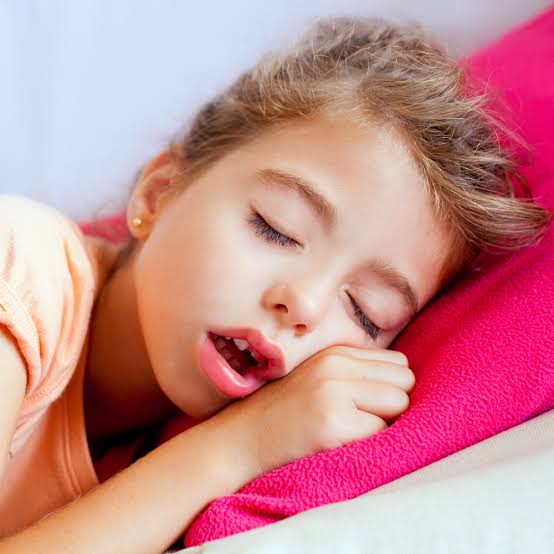
- Frequently sleeping with the mouth open.
- Regularly waking up with a dry mouth.
- Difficulty keeping the lips comfortably closed at rest.
- Persistent snoring or noisy breathing during sleep.
- Noticeable crowding or bite irregularities.
These symptoms do not automatically indicate an orthodontic problem. Persistent nasal obstruction, snoring, or sleep-related breathing concerns should also be evaluated by an appropriate medical professional.
Understanding the Connection Between Breathing and Orthodontic Health
At Holmdel Orthodontics, Dr. Sezer Olcay understands that orthodontic care involves more than simply aligning teeth. Evaluating the relationship between jaw development, dental positioning, and bite function can help identify concerns that may affect long-term oral health.
Whether you are a parent monitoring your child’s development or an adult experiencing bite-related concerns, understanding your breathing habits is another important part of maintaining a healthy smile.
If you have concerns about mouth breathing, jaw development, or bite alignment, schedule an orthodontic consultation with Dr. Sezer Olcay at Holmdel Orthodontics to discuss your individual needs.
723 North Beers Street, Suite 2A,
Holmdel NJ 07733
Flexible office Hours Daily, Evenings and Weekends Available . Call to Schedule
CONTACT INFO
Phone: (732) 847-3065
Fax: (732) 217-3623
