
by Acupuncture Works L.L.C.
Emergency room visits for tick bites are increasing across New Jersey and the broader Northeast, according to new data from the Centers for Disease Control and Prevention (CDC). Health officials say the trend reflects a growing public health concern driven by environmental changes, increased tick populations, and heightened awareness of tick-borne illnesses.
A Growing Trend Across New Jersey and the Northeast
Recent CDC data shows that emergency department visits related to tick bites have reached some of the highest levels seen in years. The Northeast—especially New Jersey—continues to report some of the highest rates in the country.
During peak months like May and June, tick-related ER visits climb sharply as outdoor activity increases and tick populations are most active. New Jersey residents are experiencing this surge firsthand, with cases continuing to rise throughout the spring and summer.
Why Are Tick Bites Increasing?
Several factors are contributing to this rise:
1. Warmer Temperatures and Climate Trends
Milder winters and longer warm seasons allow ticks to survive and remain active for more of the year.
2. Expanding Tick Habitats
Ticks are now commonly found in suburban neighborhoods, parks, and residential backyards—not just wooded areas.
3. Increased Outdoor Activity
More time spent outdoors naturally increases exposure risk.
4. Greater Awareness
People are more likely to seek medical care due to growing awareness of tick-borne diseases.
The Risk of Lyme Disease and Other Illnesses
New Jersey consistently ranks among the states with the highest rates of Lyme disease. The CDC estimates that hundreds of thousands of Americans are diagnosed and treated each year.
Ticks in this region can transmit multiple diseases, including:
- Lyme disease
- Anaplasmosis
- Babesiosis
- Rocky Mountain spotted fever
- Powassan virus
Emerging Concern: Alpha-gal Syndrome
In addition to these well-known infections, ticks are also responsible for a lesser-known but increasingly recognized condition called Alpha-gal syndrome.
This condition can trigger a sudden and unexpected allergic reaction to red meat and even dairy products. Symptoms may include hives, gastrointestinal distress, or in severe cases, anaphylaxis.
The primary carrier is the Lone Star tick, which is widely distributed across eastern states. Notably, its range is expanding into the Northeast, Southeast, and Midwest—raising concern for increased cases in areas like New Jersey.
New Jersey Case Highlights Serious Risks
Researchers have recently identified the first known death in New Jersey linked to Alpha-gal syndrome. According to reporting by NPR, a New Jersey man died in 2024 after experiencing a severe allergic reaction following the consumption of red meat.
This case has brought increased attention to the condition and underscores the potential severity of Alpha-gal syndrome. While still considered rare, public health officials are closely monitoring its spread as tick populations expand geographically.
Who Is Most at Risk?
Certain groups are more likely to seek emergency care for tick bites, including:
- Children under 10
- Adults over 70
These populations may be more vulnerable to complications or more cautious in seeking care.
When Should You Go to the ER?
Not every tick bite requires emergency treatment. However, you should seek medical attention if you experience:
- Fever, chills, or flu-like symptoms
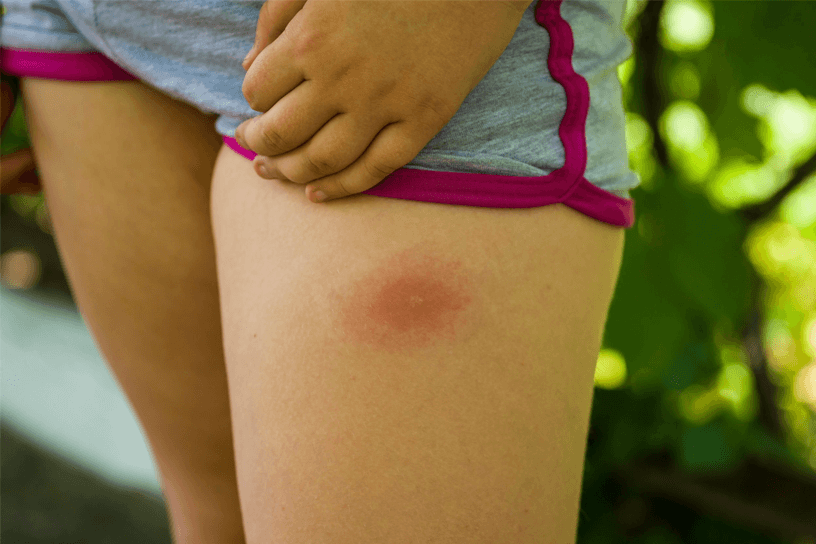
- A bull’s-eye rash or unusual skin changes
- Severe headache or fatigue
- Difficulty removing a tick
- Signs of infection at the bite site
- Any allergic reaction after eating meat following a tick bite
How to Protect Yourself
Prevention is key. Experts recommend:
- Wearing long sleeves and light-colored clothing outdoors
- Using EPA-approved insect repellents
- Performing full-body tick checks after outdoor activity
- Showering soon after being outdoors
- Keeping lawns trimmed and removing leaf litter
A Holistic Approach: Can Acupuncture Help?
As awareness of Alpha-gal syndrome grows, many patients are also exploring supportive, integrative therapies to help manage symptoms and improve overall immune balance.
Acupuncture is one such approach that may offer benefits as part of a broader care plan. While it is not a cure for Alpha-gal syndrome, acupuncture has been used to help regulate immune responses, reduce inflammation, and support digestive health—all of which can be relevant for patients dealing with allergic and systemic reactions.
Patients experiencing chronic symptoms, heightened sensitivity, or stress related to dietary restrictions may find acupuncture helpful in improving overall well-being and resilience. As always, it should be used in conjunction with conventional medical care, including guidance from an allergist and strict avoidance of trigger foods.
The Bottom Line
The rise in emergency room visits for tick bites in New Jersey highlights a growing health concern. While many tick bites are harmless, the increasing risk of diseases—including Lyme disease and Alpha-gal syndrome—makes awareness and prevention essential.
With the right combination of prevention, early detection, and integrative care options such as acupuncture, patients can take a proactive approach to protecting their health and navigating the challenges of tick-borne conditions.
For more information on Acupuncture Services Contact Dr Christiene Taliercio
